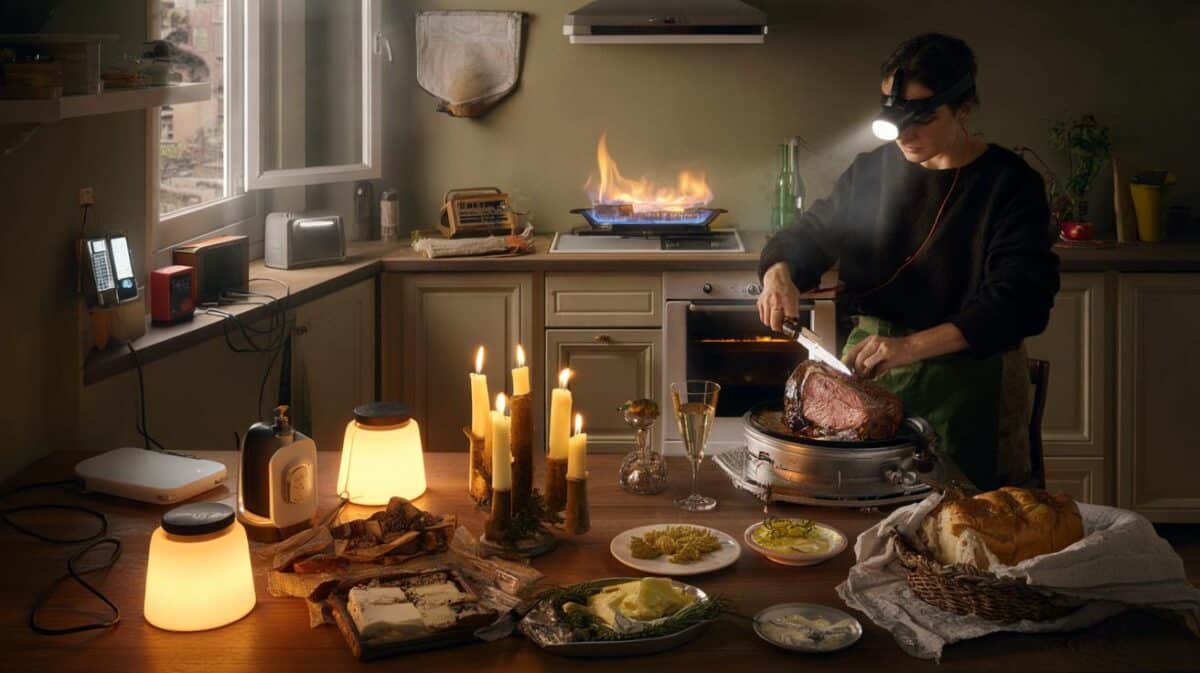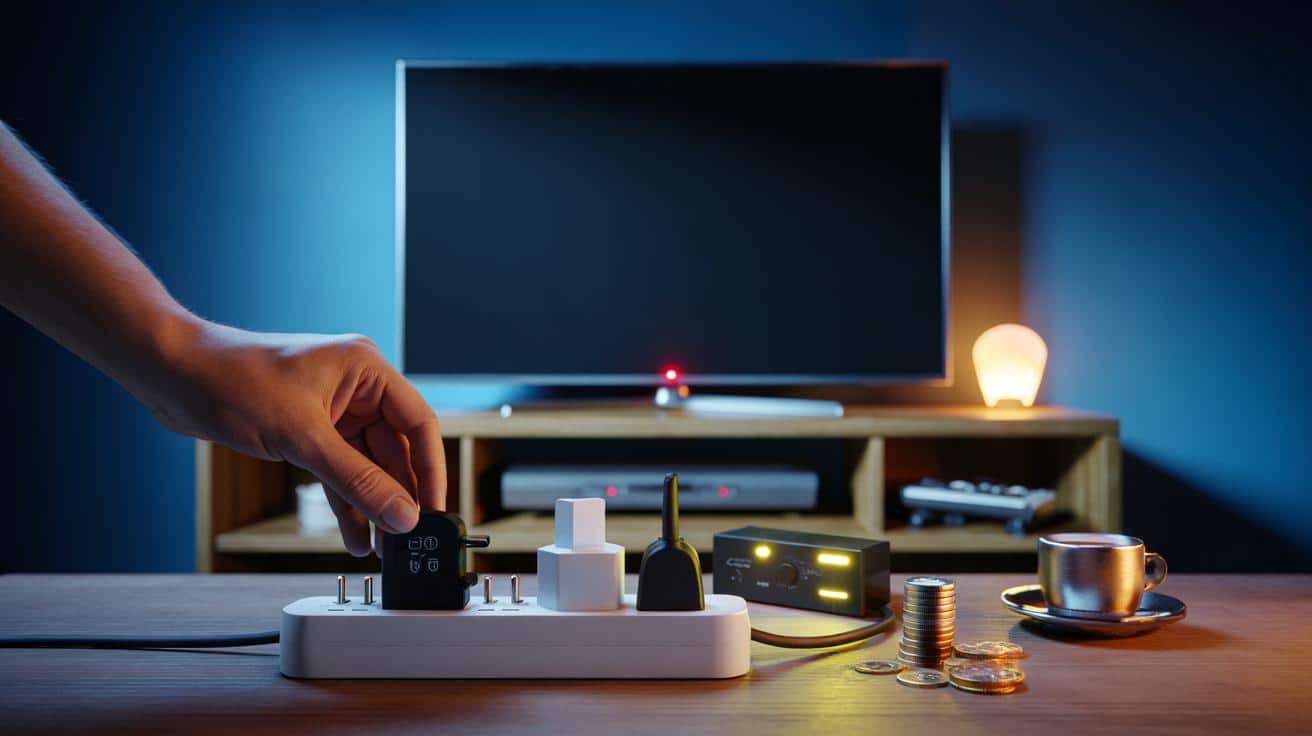
Everyone has a tip, a myth, a cousin who swears by unplugging the TV every night. The question hangs there with the red standby light: does pulling the plug actually lower your bollette luce in any meaningful way?
It’s late, dishes stacked, the living room gently blue from the TV’s glow. You click the remote, the picture slips to black, and that tiny red eye stays on like a polite guest who won’t leave. We’ve all had that moment when you pause and think, is this little light sipping euros from my socket? I watched a friend in Turin bend behind a cabinet to yank a plug, proud of winning back a few cents a day. The power strip sighed, the silence felt righteous, and then we laughed at ourselves for caring about a dot of light. The red LED winked back. A small doubt stayed with me. What does that dot really cost?
The truth about your TV on standby
Walk into most homes and the TV is the quiet heartbeat of the living room, even when “off.” That standby mode isn’t drama. It’s usually a fraction of a watt on modern sets. European rules cap basic standby at about 0.5 W, and brands compete to brag “0.3 W” in the specs. **Unplugging the TV can save money — but often just coins.** The part people forget: many living rooms hide bigger energy eaters in the same tangle of cables.
Take an ordinary evening scene in Milan. A smart plug with energy monitoring shows the TV’s standby at 0.4 W, barely a whisper. The set-top box with hard drive? A steady 8 W even when the TV is off. The soundbar sits at 2 W, and the game console in “instant on” hums at 9 W. Over a year, the TV’s standby may cost a cappuccino. The others could cost a family lunch.
Do the math with a simple range. At 0.5 W, running 24/7, your TV uses about 4.4 kWh a year. With bollette luce between roughly €0.20 and €0.35 per kWh, that lands near €1–€1.5. An older model at 2–3 W might hit 18–26 kWh, or €4–€9. Compare that with a decoder at 8 W: 70 kWh a year, €14–€25. A console sitting warm for speedier starts can add the same. The red dot looks guilty, but the real culprits often sit beside it, smiling under the cabinet.
How to really cut the bill: simple moves that stick
Start with a one-evening audit. Plug your media corner into a smart power strip or a single smart plug with monitoring, then note standby draw for each device: TV, decoder, soundbar, console, streaming stick. Next, dive into menus. Disable “Quick Start” or “Instant On” on TVs and consoles; switch decoders to “Deep Standby.” Set smart plugs to cut power after bedtime and before dinner. Small settings, big difference across a year.
Be kind to yourself with the routine. Pulling a plug every night is a great story for one week, then life happens. Let’s be honest: nobody does that every day. If you schedule a smart strip, the habit runs itself. Keep the router on if you need remote work or smart home stability. And expect minor trade-offs: a console might boot slower, a TV guide may take a minute to refresh.
Think of it as trimming the hedges, not chopping a tree. Power fades in many tiny leaks, and you target the biggest drips first.
“Cutting the bill isn’t about living in the dark. It’s about knowing which watts matter.”
- TV standby today: typically 0.3–1 W (about €1–€3 per year)
- Set-top box with hard drive: 6–12 W in standby (about €12–€35 per year)
- Game console in rest mode: 7–15 W depending on settings (about €14–€45 per year)
- Soundbar/sub standby: 1–3 W (about €2–€9 per year)
- Phone/laptop chargers idle: often 0.05–0.2 W each (pennies per year)
So, should you pull the plug?
If your TV is new and efficient, unplugging it will shave a euro or two per year. That’s real money, but not the game changer some posts promise. The smarter play is to tame the full media stack. Flip off instant-on features. Put the TV corner on a timer. Hunt for the quiet 8–10 W that never sleeps. **The real wins come from the boxes around the TV.** And let the living room stay human. There are nights when you won’t crawl under the furniture to flick a switch. That’s fine. Spend your effort where it compounds. Share this with the friend who swears the red light is the villain and watch their face when the decoder’s numbers show up. The dot is a decoy. The savings are in the shadows next to it.
| Point clé | Détail | Intérêt pour le lecteur |
|---|---|---|
| TV standby is tiny | 0.3–1 W for modern sets, about €1–€3/year | Focus energy on bigger leaks, not the LED |
| Peripherals weigh more | Decoders 6–12 W, consoles 7–15 W, soundbars 1–3 W | Target the devices that deliver real savings |
| Settings beat unplugging | Disable “Quick Start,” use deep standby, add timers | Convenient, consistent cuts to the bollette luce |
FAQ :
- Does unplugging the TV every night damage it?Not really. It may add a few seconds to boot and delay updates or EPG refresh, but it doesn’t “wear out” modern electronics in any meaningful way.
- Which TVs use the most standby power?Older plasma and early LCD models can sit at 2–5 W. Recent LED and OLED sets typically hit 0.3–0.5 W in basic standby, lower if energy modes are enabled.
- Do smart plugs use power themselves?Yes. Many draw 0.3–1 W. Choose low-standby models and use them where they cut larger loads like decoders or consoles, so the net saving stays positive.
- Will killing power stop updates or recordings?It can. Some TVs and decoders update overnight or record while “off.” Use scheduled windows or deep standby modes that still allow planned tasks.
- What’s the quickest win for my bollette luce around the TV?Turn off instant-on modes and put the set-top box on a timer. That single tweak often beats months of unplugging the TV alone.