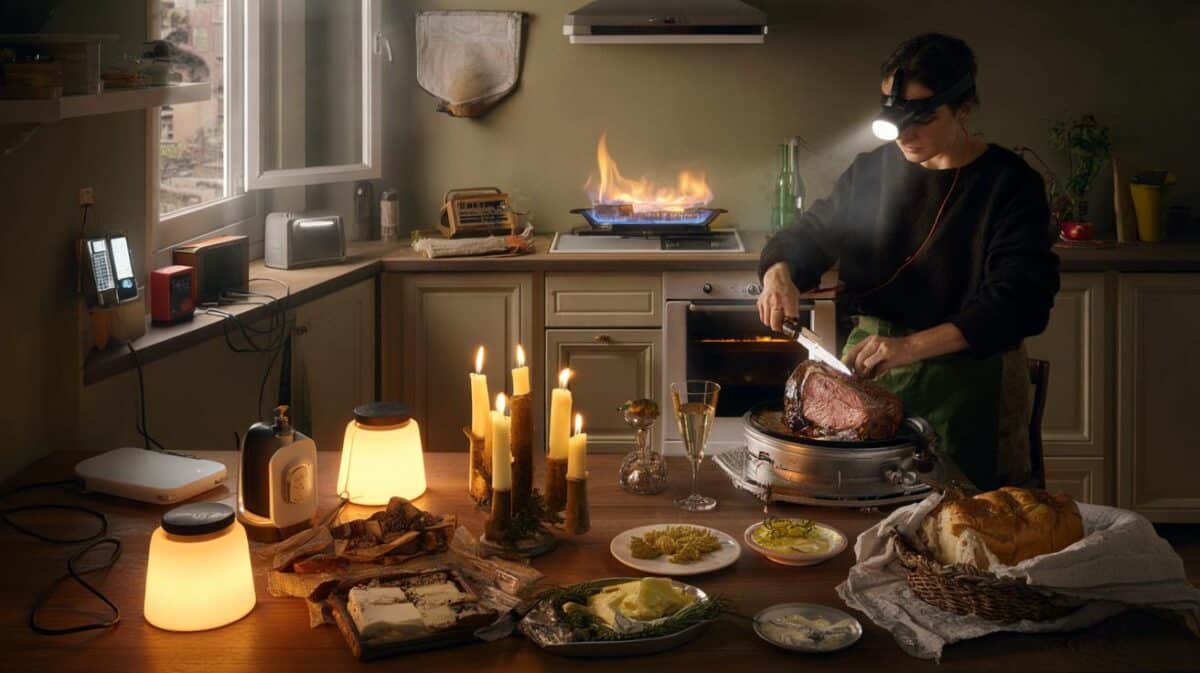
A roast that sings in the pan and crackles into the evening is magic. The aftermath in the forno? Not so much. If last night’s glaze welded itself to your oven walls, here’s a quiet trick that lifts gunk without a fight: steam.
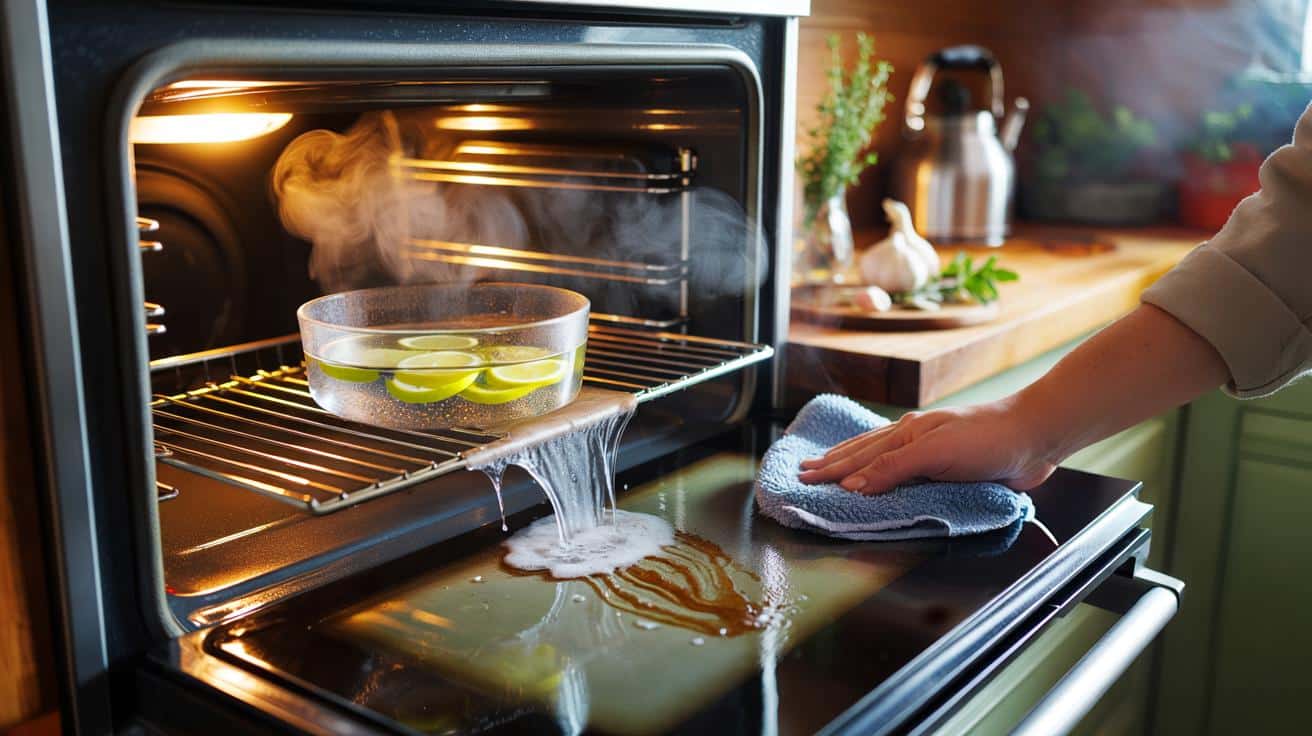
The kitchen was warm, the air sticky with thyme and garlic, and the oven glass looked like a smoky lens. I filled a pan with water, tossed in a few lemon rinds, cranked the heat, and stepped away. Ten minutes later, the door opened to a soft cloud, and all those angry brown patches had turned from stone to butter.
The oven door felt like a time capsule, releasing the week the moment I cracked it open.
Steam didn’t just clean. It reset the room. And it made me wonder what else I’d been over-scrubbing for years. Then the kettle saved the day.
Why steam is the quick fix your post-roast oven needs
Steam does what elbow grease can’t: it sneaks into the micro-cracks of burnt-on fat and loosens it from the enamel. When hot vapor condenses on a cooler wall, it gives up heat and water right where the grime lives, softening the crust from the inside. You’ll see it in real time—drops forming, little brown rivers sliding down, the glass clearing like a fogged mirror after a shower.
We all have that moment when the roast rests and the chef suddenly vanishes. In our house, I used to close the door and bargain with Future Me. Then I tried a pan of water at 160°C/320°F for 25 minutes with the fan on. The wipe-down took three minutes, not thirty. No stinging fumes, no coughing, no midnight regret. It felt like cheating, just quieter.
There’s a simple logic at work. Fats polymerize and sugars caramelize under heat, turning sticky and hard; steam reverses the lock by rehydrating residues and warming them evenly. Add a touch of acidity—lemon slices or a splash of vinegar—and you break the bonds that make stains cling. Toss in a pinch of baking soda afterward and you create a gentle fizz that lifts what’s left. **Steam is your cheat code.**
The step-by-step that spares your wrists
Start with a clean slate. Remove racks and trays, then place a wide, oven-safe dish filled with water in the center—two cups is plenty. Add lemon peels or 2 tablespoons of white vinegar if you like. Heat the oven to 160–180°C (320–355°F) for 20–30 minutes; fan mode helps circulate vapor. Switch off, keep the door closed for 10 minutes, then open carefully. Wipe with a damp microfiber from top to bottom, catching the brown drips before they dry.
Let’s be honest: nobody does that every day. If you skipped a week (or three), run the steam twice. For the last bits, dab on a paste of baking soda and hot water, wait 10 minutes, wipe, and finish with a spritz of vinegar for the sparkle. Skip steel wool on enamel, and don’t splash water near the heating elements. If your racks look tragic, soak them in a sink or tub with hot water and a dishwasher tablet—overnight is fine.
There are pitfalls. Too little water, and you’ll bake the pan dry. Too much heat, and you just cook the grease harder. Keep it steady, and let the vapor do the heavy lifting.
“I used to dread cleaning day,” my neighbor Sara told me, “until the steam trick made it a coffee break.”
Save this quick box for later:
- Water dish center-stage, 2 cups
- 160–180°C (320–355°F), 20–30 minutes
- Door closed 10 minutes post-heat
- Wipe top-to-bottom with microfiber
- Baking soda paste for the stubborn bits
Keep your oven easy, week after week
The steam ritual isn’t a chore; it’s a reset that takes less time than scrolling a reel. Do it right after a roast, while the oven’s still warm, and you’ll avoid the “black lacquer” phase that demands scrubbing. Toss citrus peels in the pan for a clean scent, or a splash of vinegar if you cooked fish. Rotate trays every few cooks to prevent hot-spot buildup. Wipe fresh splatters the next morning, not the same night—you’re tired, and the grime is still grumpy. **No toxic fumes. No ruined weekends.** You’ll start to notice how the glass stays clear, how your bakes taste a touch cleaner, how small habits—like a five-minute wipe-down—quietly pay rent in your kitchen life.
| Point clé | Détail | Intérêt pour le lecteur |
|---|---|---|
| Steam first, wipe second | 20–30 minutes at 160–180°C with a water dish | Faster clean, less effort, no harsh scrubbing |
| Add a gentle booster | Lemon/vinegar in the pan; baking soda paste after | Breaks grease bonds for an easy final polish |
| Protect the enamel | Use microfiber, avoid abrasives and bleach mixes | Longer-lasting oven, safer air, better results |
FAQ :
- Can I steam-clean a pyrolytic oven instead of running the full cycle?You can. Steam between deep cycles keeps grime from baking rock-hard, so you’ll run pyrolytic mode less often and save energy.
- Does vinegar damage oven seals or enamel?Used diluted in a steam pan or as a light spritz, it’s safe. Don’t soak gaskets or leave strong acid sitting for hours.
- What if my oven has heavy, years-old carbon?Run two or three steam rounds, then use a baking soda paste and a plastic scraper. For true carbon crust, a pro-grade cleaner may be your one-time reset.
- Can I steam-clean the door glass?Yes. The vapor softens splatter on the interior pane. Wipe with microfiber; avoid spraying liquid into vents that feed the inner panes.
- Is lemon better than vinegar?Lemon smells sunnier and adds mild acidity; vinegar is stronger and cheaper. Both work; pick the one you’re happy to smell when you open the door.